







File:Safety signs.jpg
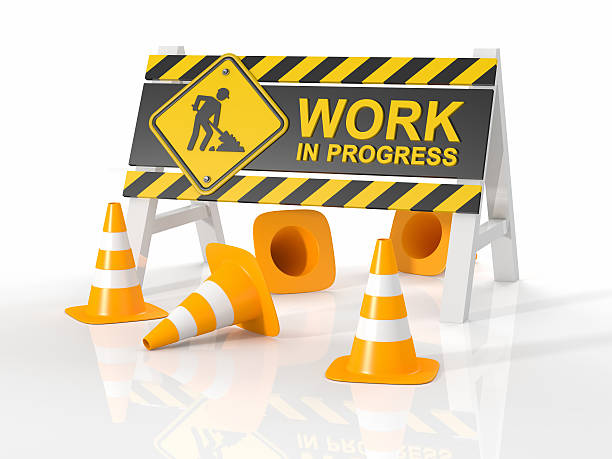
No higher resolution available.
In busy workspaces, a simple picture or bright color can make all the difference. When people move fast, lift heavy things, or use machines, clear warnings help them stay safe. These warnings do not talk, but they speak clearly through colors, shapes, and pictures. These are called visual warnings, and they help stop accidents before they happen.
Contents |
[edit]

[edit] \What Are Visual Warnings?
Visual warnings are things you can see that tell you to be careful. These include signs, labels, floor markings, stickers, and flashing lights. Each one shows a message. That message may tell someone to stop, wear a helmet, watch their step, or not enter a room. Workers trust these signs because they are easily understood, even from far away.
[edit] Why Do Workers Need Visual Cues?
Job sites can be loud, fast, and filled with tools or moving equipment. People might not hear someone shout "Watch out!" in such places, but they can always see a bright red sign or a yellow caution stripe on the floor. These cues grab attention fast. They warn about danger before it’s too late.
Imagine someone is walking in a warehouse where a forklift moves heavy boxes. A clear picture showing a forklift with a warning stripe tells the person to be alert. This way, they avoid standing where they could get hurt.
[edit] How Colors and Shapes Help
Each warning sign uses special colors and shapes for a reason. Red means stop or danger. Yellow means caution. Green shows safe paths or exits. Circles, triangles, and squares help workers know what to do or avoid.
Let’s say someone is new on the job. Even if they cannot read all the words on a sign, the colors and symbols guide them. These visuals keep everyone, from beginners to experts, alert and protected.
[edit] Common Areas Where Visual Warnings Matter
Visual warnings appear in many places. They mark wet floors, broken equipment, fire exits, or areas that need special gear. You will see them in factories, hospitals, schools, and offices.
For example, in a hospital, a sign with a hand and a red cross tells people not to enter unless they wear gloves. This helps stop the spread of germs and keeps staff and patients safe.
In factories, warning signs show where people must wear goggles or helmets. This is not just a rule. It’s a smart way to stop injuries.
[edit] The Role of Training and Teamwork
Signs alone do not work unless people understand them. That’s why safety training is essential. During training, workers learn what each warning means and how to react. They learn where to look and what to do when they see one. A good team looks out for each other, and warning signs help that teamwork grow stronger.
Managers also play a big role. They must ensure all signs stay clean, easy to see, and placed in the right spot. If a sign fades or falls off, someone may miss a warning. That small mistake can lead to big trouble.
[edit] A Quick Look at Long-Term Benefits
When visual warnings are used correctly, they lower accidents. Fewer accidents mean fewer injuries, less time off, and better work for everyone. They also build trust. Workers feel safe when they know their job site takes care of them.
Using safety signs can also save money. Companies spend less on medical bills and broken machines. They avoid getting fines or breaking safety laws. Ultimately, a simple sign can protect both people and the company itself.
[edit] Making Signs Part of Every Workday
Visual cues should be part of every worker’s day. They should be in every hallway, every room with machines, and every area where people could slip, trip, or fall. Visual cues are not just there for show; workers work hard, even when no one notices them.
Think about this: when someone walks past a sign that says “Caution: Wet Floor” and changes their path, that one step can stop a nasty fall. That one small sign just did a big job.
[edit] Final Thoughts
Visual warnings are more than signs on walls. They are trusted tools that keep workers out of harm’s way. They guide, protect, and speak a language every worker can understand—without saying a word.
Every safe workspace must use safety signs in the workplace to build a system that helps people feel protected. When job sites get this right, workers can focus on doing great work without fear. That’s how smart companies build strong, safe teams one sign at a time.
File history
Click on a date/time to view the file as it appeared at that time.
| Date/Time | Thumbnail | Dimensions | User | Comment | |
|---|---|---|---|---|---|
| current | 09:48, 9 July 2025 | | 612 × 459 (42 KB) | Johnmax (Talk | contribs) |
- Edit this file using an external application (See the setup instructions for more information)

File usage
There are no pages that link to this file.
Metadata


Featured articles and news
Exchange for Change for UK deposit return scheme
The UK Deposit Management Organisation established to deliver Deposit Return Scheme unveils trading name.
A guide to integrating heat pumps

As the Future Homes Standard approaches Future Homes Hub publishes hints and tips for Architects and Architectural Technologists.
BSR as a standalone body; statements, key roles, context
Statements from key figures in key and changing roles.
ECA launches Welsh Election Manifesto

ECA calls on political parties 100 day milestone to the Senedd elections.
Resident engagement as the key to successful retrofits
Retrofit is about people, not just buildings, from early starts to beyond handover.
Plastic, recycling and its symbol
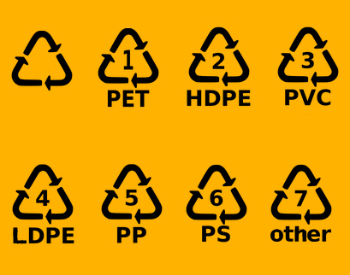
Student competition winning, M.C.Esher inspired Möbius strip design symbolising continuity within a finite entity.
Do you take the lead in a circular construction economy?
Help us develop and expand this wiki as a resource for academia and industry alike.
Warm Homes Plan Workforce Taskforce
Risks of undermining UK’s energy transition due to lack of electrotechnical industry representation, says ECA.
Cost Optimal Domestic Electrification CODE
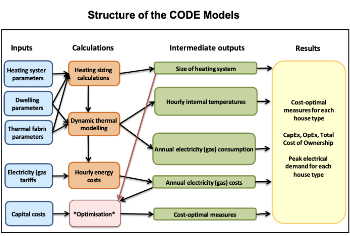
Modelling retrofits only on costs that directly impact the consumer: upfront cost of equipment, energy costs and maintenance costs.
The Warm Homes Plan details released

What's new and what is not, with industry reactions.
Could AI and VR cause an increase the value of heritage?
The Orange book: 2026 Amendment 4 to BS 7671:2018

ECA welcomes IET and BSI content sign off.
How neural technologies could transform the design future

Enhancing legacy parametric engines, offering novel ways to explore solutions and generate geometry.
Key AI related terms to be aware of
With explanations from the UK government and other bodies.
From QS to further education teacher

Applying real world skills with the next generation.